
Eric Roberts on Life, Legacy, and the Power of Storytelling
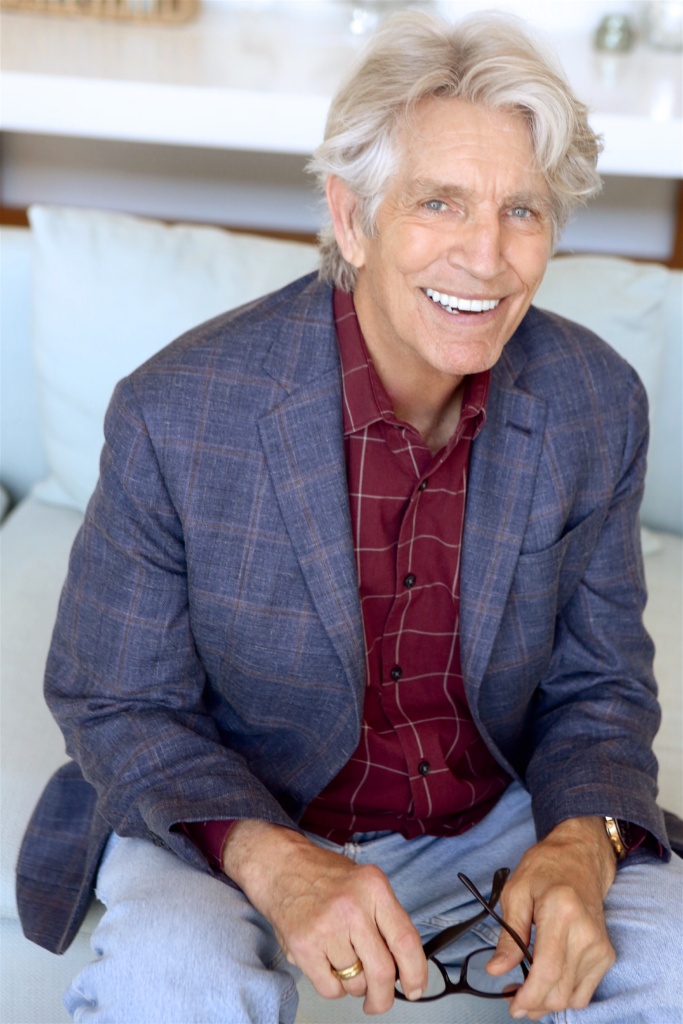 This article is from our Spring 2026 issue. Read the full issue here.
With a career spanning more than four decades, Eric Roberts has become one of the most recognizable and prolific actors in Hollywood. Known for his fearless performances and remarkable versatility, Roberts has appeared in hundreds of film and television projects, including his Oscar-nominated role in Runaway Train, as well as memorable performances in The Dark Knight, King of the Gypsies, and The Pope of Greenwich Village. His dedication to the craft and passion for storytelling have made him a lasting presence on screen—and a compelling voice shaped by creativity, resilience, and reinvention.
Looking back on your long and varied career, what experiences have shaped you the most as a person?
Most of the things that have shaped me as a person are not part of my career. What has shaped me most are my kids, bonus kids, grandchildren, and bonus grandchildren — and, of course, my mistakes.
That said, the people I’ve met and worked with along the way have also had a huge influence on me. Every director, actor, and crew member. And all the travel involved — experiencing both the similarities and differences in cultures. That’s enormous.
I think we all want the same thing: to feel safe. That’s a big subject with many nooks and crannies.
There are so many areas of life where we want that sense of safety — medical, environmental, financial, and even in how we interact with one another.
Many of your roles explore struggle and resilience. How have those stories influenced your own life and health?
Stories of resilience and struggle definitely influence my own life and health. Sometimes we know in our heads that something isn’t smart — eating a piece of candy, for instance — but we find ourselves doing it anyway.
At times, my characters’ efforts and triumphs morph into my own.
What inspired you to get involved with MNITF and support organ donation awareness?
Eliza and I were invited to an MNITF event by Suzanne DeLaurentiis, and we were committed from the moment we walked through the door.
We have never been able to fathom anyone making the decision not to be an organ donor. In those rooms, you really learn that this is a powerful way to contribute to that feeling of safety I was talking about earlier.
Stories of resilience and struggle definitely influence my own life and health.
– Eric Roberts
Why do you believe storytelling is so effective in educating people about transplantation and kidney disease?
Storytelling has proven to be the most effective way to teach — whether in a classroom or anywhere else. When a story’s tone is set, rather than delivering an off-putting, boring lecture, we receive information on an emotional level. And that’s what prompts action.
Having the opportunity to make such a significant choice is rare, and it needs to be embraced.
What projects do you have coming up in the future that you can share with us?
My IMDb page gives a good picture of what’s coming up. If there were a truly mind-blowing project I was about to start, I’d definitely tell you. For now, there’s steady work, and for that, I’m incredibly grateful.