
BOATLIFT 9/11
There's a Hero in All of Us
Streaming on PureFlix September 8th – 10th!
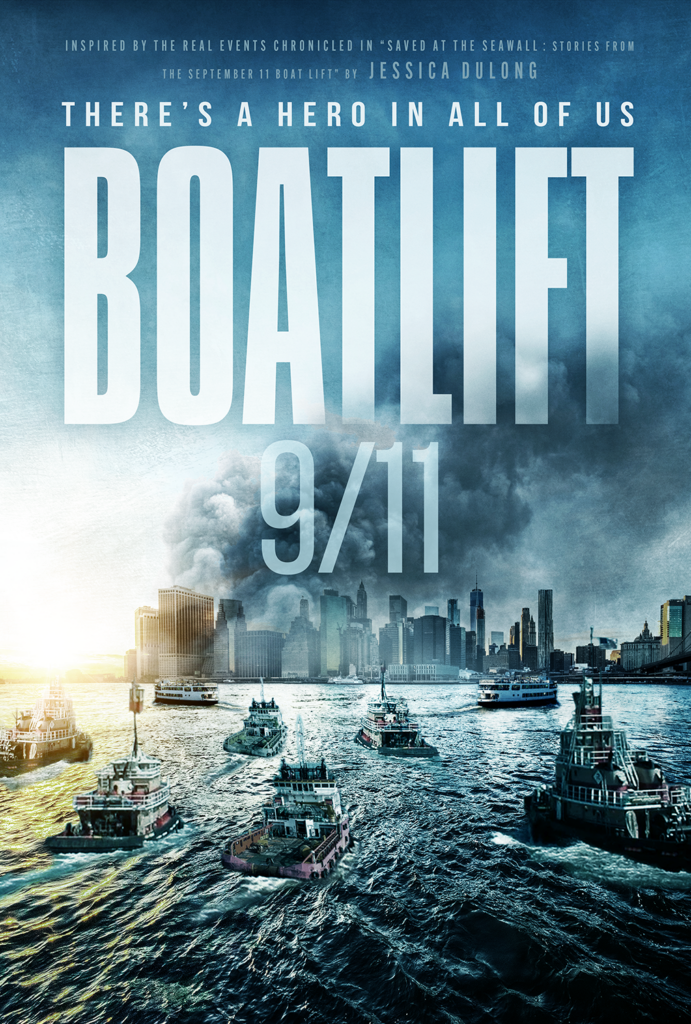
The Mendez National Institute of Transplantation Foundation (MNITF) and Suzanne DeLaurentiis Productions are proud to announce their short film, Boatlift 9/11 in honor of the 25th anniversary of the historic sea evacuation that took place on September 11, 2001. Written by Tricia Aurand and directed by Dale Fabrigar, Boatlift 9/11 was inspired by the book Saved at the Seawall by Jessica Dulong.
The film is produced by Suzanne DeLaurentiis, Nathan Samdahl, and directed and produced by Dale Fabrigar.
Beyond honoring the heroism of that day, the project also shines a light on the long-term health consequences faced by many 9/11 survivors. Thousands developed serious illnesses — including respiratory conditions and various forms of cancer and kidney disease — linked to prolonged exposure to toxic debris and air contamination in the aftermath of the attacks.
In support of that broader awareness mission, the Mendez National Institute of Transplantation Foundation (MNITF) and its executive director, Nicole Mendez, have joined the initiative to help amplify support by participating in the project’s community engagement efforts.
Boatlift 9/11 stars Sofia Helin, Preslea Elliott, and Hank Northrop.
Watch the Trailer for Boatlift 9/11
The Untold Tale of America’s Largest Water Evacuation of Manhattan on 9/11
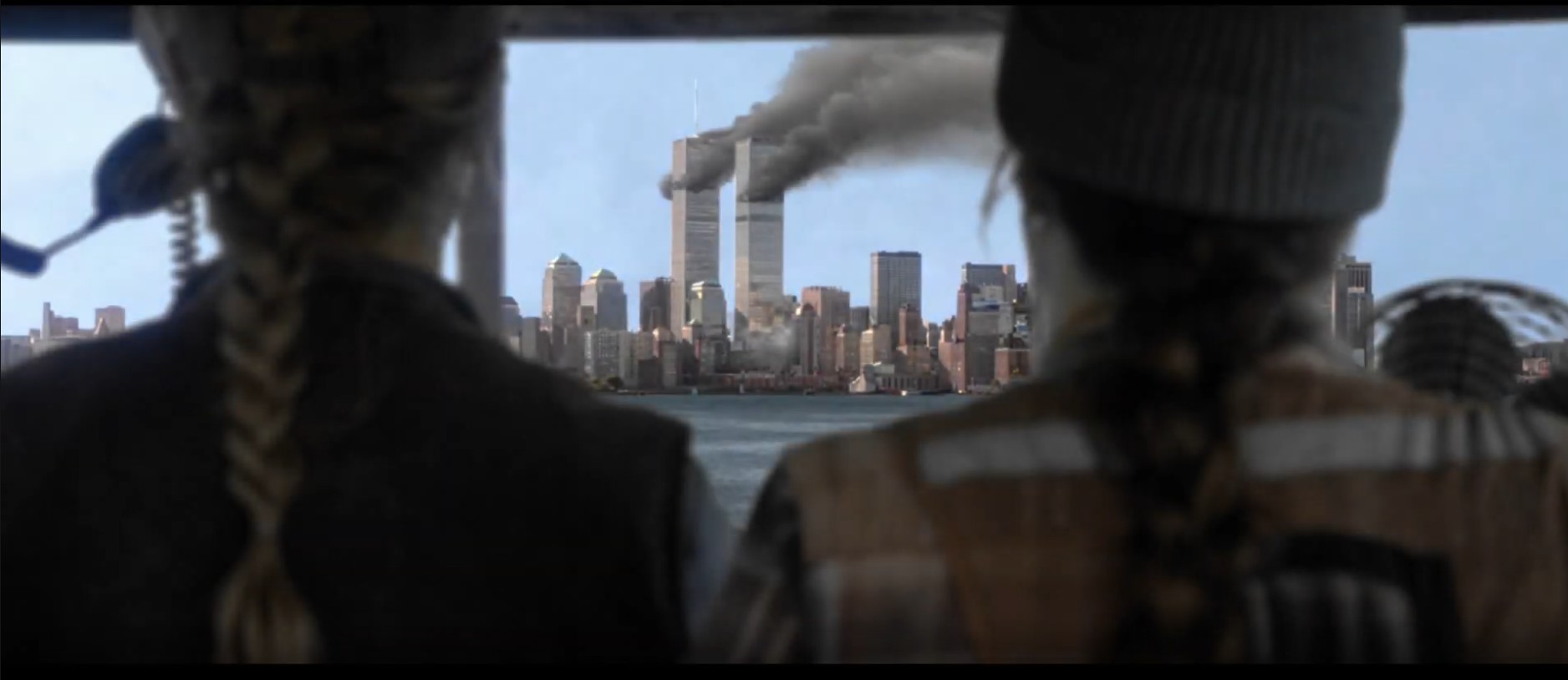
Captain JAN (late 40s) and her daughter, BRITT (mid 20s), are working aboard their tugboat in New York Harbor when the unthinkable happens: two airliners slam into the Twin Towers, transforming the Manhattan skyline into a hellscape of fire and smoke.
After learning it’s a terrorist attack, they speed to Battery Park, knowing survivors will be stranded at the seawall. The tugboat isn’t built for passengers, and it takes all of Jan and Britt’s skill to keep from capsizing as they load up a boatload of survivors to transport across the Hudson River. The scene becomes more desperate when the towers fall, shrouding the waterfront in plumes of toxic ash. In the chaos, Britt jumps into the river to save a passenger and is swept away. Frantic with worry about her daughter — who suffers from a kidney condition — Jan searches fruitlessly in the murky water, ignoring the pleas of passengers to take them out of the debris cloud to safety. But a kind word from one survivor, ERIC (20s), reminds Jan that Britt would want her to carry on helping whomever she can.
In the end, Jan delivers the survivors across the river and is reunited with Britt. They are determined to go back for more when a call crackles over the shortwave: “All available boats” are needed to rescue people from Battery Park. Joined by a flotilla of more than 100 other vessels and countless other daring civilians, Jan and Britt work all day, ultimately helping transport 500,000 people to safety in what will become the largest maritime evacuation in history.
Watch the EPK for Boatlift 9/11 – The Making of a Rescue
The 9/11 Connection to Kidney Disease and Cancer
Many first responders and survivors of 9/11 have developed serious health issues in the decades since the attacks. The most common are respiratory conditions, digestive disorders, and cancers such as blood and skin cancers. Less widely known is that first responders who worked at Ground Zero, as well as nearby survivors, also face a heightened risk of kidney cancer and kidney disease.
The dense dust cloud released when the World Trade Center collapsed contained cadmium, a carcinogen toxic to the kidneys, along with other heavy metals and toxic substances. Today, kidney cancer ranks as the ninth most-prevalent cancer among 9/11 survivors and responders, and it tends to appear as a more aggressive disease and at a younger age than in the general population.
On the kidney disease side, researchers with the WTC-CHEST Program at the Icahn School of Medicine at Mount Sinai examined urine samples from 183 Ground Zero first responders, testing for albumin — a protein that leaks into urine when the kidneys are damaged. Responders with the highest exposure to the dust cloud showed significantly greater albumin levels than those with lower exposure. The researchers believe the intense exposure severely inflamed the endothelial lining of blood vessels leading to the kidneys, contributing to kidney malfunction and lasting damage. ScienceDaily + 3
Because kidney cancer can take years — even decades — to develop after exposure, it remains a critical, ongoing concern for the 9/11 community long after the initial attacks. Survivors and responders diagnosed with a 9/11-related kidney condition may be eligible for no-cost medical monitoring and treatment through the World Trade Center Health Program (WTCHP), as well as compensation through the September 11th Victim Compensation Fund (VCF).
To learn more about kidney cancer, click here. To learn more about kidney disease, click here.