
Actor and Cardiologist Rico Simonini on Heart and Kidney Health
 This article is from our Spring 2026 issue. Read the full issue here.
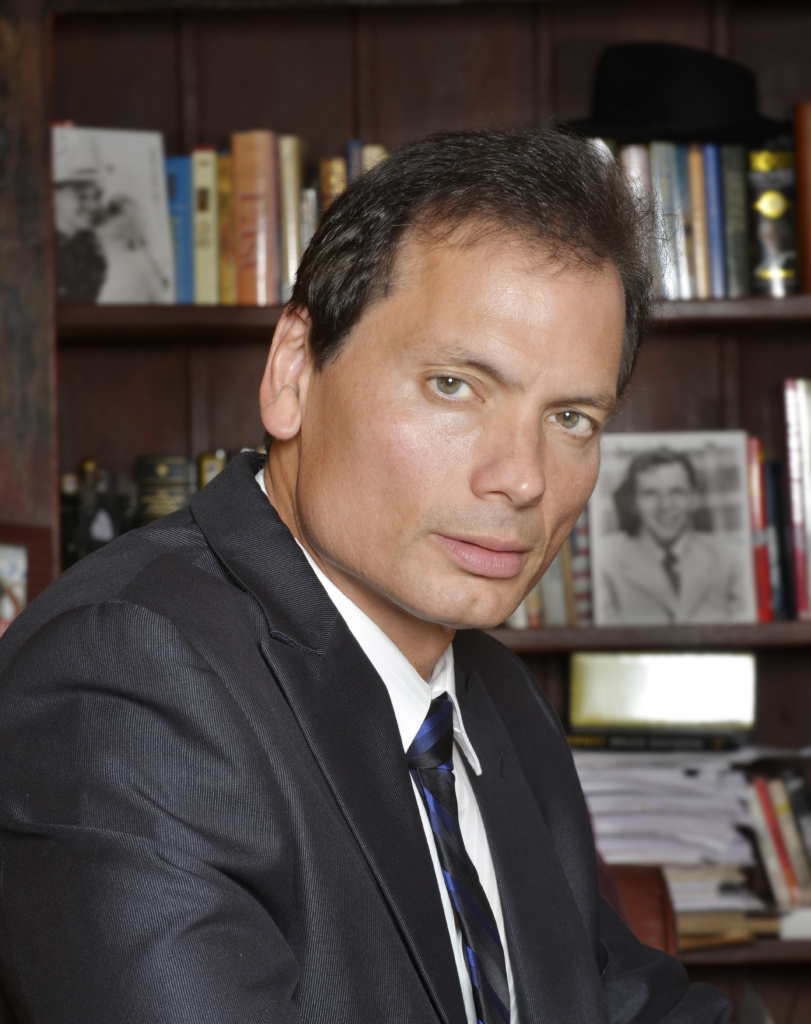
Rico Simonini is an Italian-American actor and cardiologist whose life’s work bridges two demanding worlds: medicine and the dramatic arts. A graduate of New York University, where he earned his bachelor’s degree and the John Parkes History Award, Simonini’s early journey began in Brooklyn and carried him through some of the nation’s most respected medical institutions, including Bellevue Hospital and leading centers across San Francisco, Boston, Ann Arbor, Chicago, and Los Angeles.
As an actor, he has enjoyed the opportunity to perform in film and television, as well as on theater stages across the country.
After being recruited to one of Los Angeles’ most prestigious medical centers, Simonini’s artistic pursuits flourished alongside his cardiology practice. Like Anton Chekhov, Somerset Maugham, and Arthur Conan Doyle before him, Rico remained married to medicine while pursuing his paramour—acting—wherever his career would take him.
Today, his story stands as a testament to the profound connection between heart, health, and humanity—both on stage and in real life.
Why is early detection of hypertension and chronic kidney disease so critical?
Hypertension and chronic kidney disease are often called “silent conditions” because they can progress without symptoms. Nearly half of U.S. adults have high blood pressure, and rates increase significantly with age, particularly among African Americans.
Early detection is crucial because untreated hypertension can lead to kidney disease, heart disease, stroke, and vascular complications. Studies show that controlling blood pressure significantly reduces the risk of developing chronic kidney disease, while untreated hypertension more than doubles that risk.
How does chronic kidney disease influence cardiovascular health?
Untreated hypertension greatly increases the risk of chronic kidney disease progressing to end-stage renal disease, while also driving cardiovascular conditions such as heart attacks, heart failure, stroke, and peripheral vascular disease. The heart and kidneys are deeply connected, and damage to one often accelerates damage to the other.
Has your medical career influenced how you approach acting?
Absolutely. Medicine requires intense focus, presence, and attention to what’s needed in the moment—skills that directly translate to acting.
When approaching a role, I apply the same discipline and precision: understanding what the character needs, what they want, and what’s happening in the moment. The professional mindset is identical.
What lifestyle habits or screenings make the biggest difference for heart and kidney health?
Simple, accessible screenings can save lives. Regular blood pressure checks, urine tests for protein, and awareness of family history are essential starting points. Additional tools—such as cholesterol tests, hemoglobin A1c for diabetes, ultrasounds, EKGs, and coronary calcium scans—can provide early warnings. These screenings help prevent devastating outcomes like heart failure, stroke, or dialysis, allowing people to live longer, healthier lives.
What misconceptions do you see most often about hypertensive heart and kidney disease?
The biggest misconception is believing that feeling well means being well. Hypertension is a silent killer—damage can occur long before symptoms appear. Many people live seemingly normal lives until a sudden, fatal event occurs.
How do you manage balance while working in medicine and entertainment?
Both careers demand dedication, empathy, and a deep understanding of humanity.
Acting has allowed me to connect with people who may benefit from medical guidance, particularly around prevention and early detection. Medicine, in turn, strengthens my ability to listen, stay present, and connect—skills that are equally vital on stage and in the clinic. Together, these paths have shaped a life centered on service, awareness, and healing.