
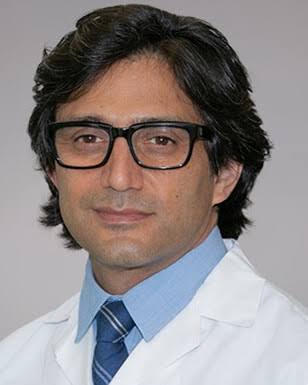
Kidney Transplants: Myths, Barriers, and Breakthroughs with Dr. Yasir Qazi
 This article is from our Summer 2026 issue. Read the full issue here.
Transplant Nephrologist Dr. Yasir Qazi on Kidney Transplants, Patient Barriers, and the Life-Changing Power of Donation
In the world of transplant medicine, few connections are as meaningful as those built through mentorship, collaboration, and a shared mission to save lives. For Dr. Yasir Qazi, that connection is deeply tied to the legacy behind the Mendez National Institute of Transplantation Foundation.
After moving from New York to Los Angeles, he worked closely with the renowned Mendez brothers—pioneers in the field whose influence continues to shape modern transplantation. That legacy lives on not only through Dr. Qazi’s work, but through the colleagues he continues to collaborate with today, including transplant surgeons Dr. Robert Naraghi and Dr. Hamid Shidban. Together, their work reflects a shared commitment to advancing patient care, education, and access to life-saving transplants.
For readers who may be unfamiliar, can you explain what a transplant nephrologist does and the role you play in a patient’s journey—from evaluation to post-transplant care?
A transplant nephrologist is responsible for the medical aspects of kidney transplantation for both the donor and the recipient. Patients are typically referred—often from dialysis units—to determine whether they are good candidates for a transplant.
From there, we evaluate their overall health, manage the medical factors that impact transplant success, and help ensure that the kidney being transplanted—whether from a living or deceased donor—will provide the best possible outcome. Our role continues after the transplant as well, monitoring kidney function and managing the patient’s long-term care.
What are some of the most common misconceptions about kidney transplantation that you encounter, and what do you wish more people understood?
One of the biggest misconceptions is that kidney transplant outcomes aren’t very good. In reality, for patients who are good candidates, transplantation offers far better outcomes than any form of dialysis. Among all renal replacement therapies, a kidney transplant is the only option that can significantly improve longevity—and in some cases, even normalize life expectancy, which is otherwise reduced on dialysis.
In addition to better survival, transplant patients often experience a much higher quality of life. They’re no longer tied to a dialysis schedule and have more freedom to travel and live their lives with fewer disruptions. The idea that transplants are difficult to access or that patients don’t do well afterward is one of the biggest misconceptions we continue to face.
From your perspective, what are the biggest barriers patients face when it comes to receiving a kidney transplant, and how can awareness organizations like MNITF help bridge those gaps?
One major barrier is that patients on dialysis often lose touch with routine primary care. Because dialysis requires frequent visits, other important health screenings—such as cancer screenings or cardiovascular evaluations—can be overlooked. When patients are referred for transplant evaluation, transplant centers must then identify and address these issues, which can delay the listing process. This phenomenon is sometimes referred to as the “transplant center effect,” where previously undiagnosed conditions are discovered during evaluation.
Another barrier is a lack of awareness about how transplant centers differ. Many patients assume that once they are listed, they simply wait for a kidney, without understanding that outcomes and transplant rates vary by center.
Patients should be informed about metrics like transplant rates and outcomes, which are publicly available through resources such as the Scientific Registry of Transplant Recipients (SRTR).
Organizations like MNITF can help by promoting awareness not only about transplantation, but also about the importance of maintaining overall health and staying up to date on routine screenings.
Educating patients on how to evaluate transplant centers and advocate for themselves can also make a meaningful difference.
You’ve been a valuable resource for educational initiatives. Why is patient education so critical in transplant medicine, and what approaches have you found most effective?
Patient education is critical because kidney disease affects nearly every organ system in the body. The kidneys play a central role in removing toxins, so when they fail, it impacts overall health in complex ways. As a result, transplant evaluation and care require a multidisciplinary approach involving cardiologists, gastroenterologists, endocrinologists, oncologists, and other specialists.
Because of this complexity, patients need to understand not just their kidney disease, but how it connects to their broader health.
Effective education helps patients navigate this system, complete necessary evaluations, and prepare for transplant. Clear communication and collaboration across specialties are essential to achieving the best outcomes.
Living donation can be life-saving, yet many people hesitate. What would you say to someone considering becoming a living donor?
Years ago, there was less long-term data available on the safety of living donation, which made these conversations more challenging. However, over time, extensive research in the U.S. and globally has shown that living donation is generally safe and effective.
While there are still some unknowns, the overall body of evidence is reassuring. Living donation offers one of the best possible outcomes for recipients. Interestingly, donors themselves often adopt healthier lifestyles after donation—they become more engaged in their health, which can have positive long-term benefits.
For those considering it, it’s important to understand that living donation is not only a life-saving act for the recipient, but also a carefully evaluated and supported process designed to prioritize the donor’s safety.
Find out more about organ donation at MNITF.org.